
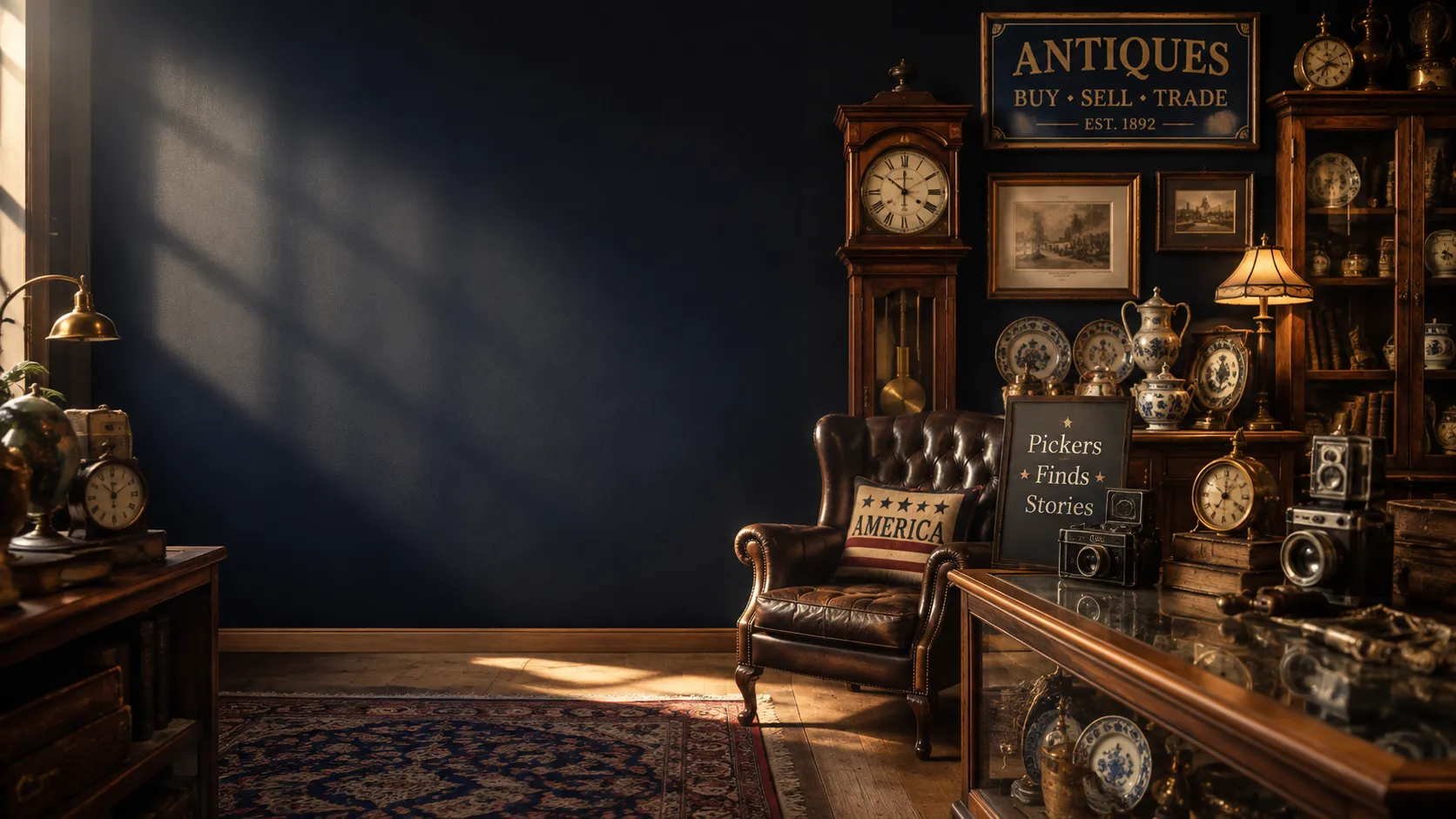
Antique stores can be expensive, but they are not automatically expensive. You are paying for a mix of the object itself, dealer sourcing, research, rent, curation, restoration risk and local demand. The right comparison is with similar pieces—not with the cheapest secondhand item you can find.
Why antique-store prices can look high
A dealer often buys selectively, stores inventory for uncertain periods, cleans or stabilizes it, researches marks, stages it and pays for retail space. A thrift store can operate on a very different supply model, especially when goods are donated.
That difference explains part of the price gap. It does not mean every antique-store tag is correct; it means the cost structure is not the same.
What makes one antique genuinely expensive
- Rarity: fewer surviving examples or a scarce form.
- Maker or attribution: documented work by a sought-after maker.
- Condition and originality: complete pieces with desirable original surfaces or parts.
- Provenance: credible ownership or historical documentation.
- Materials and craftsmanship: quality can be expensive even before collector demand enters the picture.
- Market demand: taste changes, and some categories have more active buyers than others.
Antique store vs. thrift store vs. flea market
| Venue | Typical strength | Typical trade-off |
|---|---|---|
| Antique store | Curation, knowledge, better presentation | Higher retail overhead |
| Antique mall | Many dealers in one trip | Pricing and expertise vary by booth |
| Thrift store | Low entry prices and chance discoveries | Less research and inconsistent supply |
| Flea market | Variety and direct seller interaction | Condition and authenticity can vary widely |
| Auction | Market-tested competition | Buyer fees and uncertain final price |
How to tell whether an antique-store price is reasonable
- Compare genuinely similar examples by maker, size, age, material and condition.
- Separate asking prices from confirmed sold prices when you can.
- Add restoration, delivery and missing-part costs.
- Ask what the store knows about age, repairs and provenance.
- Decide what the object is worth to you before negotiating.
For common decorative antiques, local availability can matter as much as national collector value. A piece that is abundant in one region may be harder to find in another.
Can you negotiate the price?
Often, but not always. Dealer policies, consignment terms and booth rules determine how much flexibility exists. A respectful offer works better than assuming every tag has a large hidden margin.
Read Can You Haggle at Antique Stores? for a negotiation framework.
When paying more can make sense
A higher price can be rational when the dealer has already solved expensive problems for you: the item is structurally sound, dimensions are clear, condition is disclosed, provenance is documented, the shop stands behind the description, and safe delivery is available.
Conversely, a low price is not a bargain if restoration will exceed the cost of a better example.
Frequently asked questions
Are antique stores more expensive than thrift stores?
Often, because the sourcing and retail model is different. But thrift stores can also contain valuable items and antique stores can have affordable inventory.
Why are some antiques cheaper than new furniture?
Age does not guarantee demand. Large, unfashionable or hard-to-move furniture can sell for surprisingly modest prices compared with new equivalents.
Is an expensive antique automatically more authentic?
No. Price is not proof of age or authenticity. Evaluate the object, documentation and seller’s description.
How can I find affordable antique stores near me?
Compare multiple stores, visit antique malls with many dealers, and use PickersGO Locations to research options by area.
Continue your antique-store research
Use the local pages to build a shortlist, then compare state leaders before you plan a visit, a sale or a buying trip.